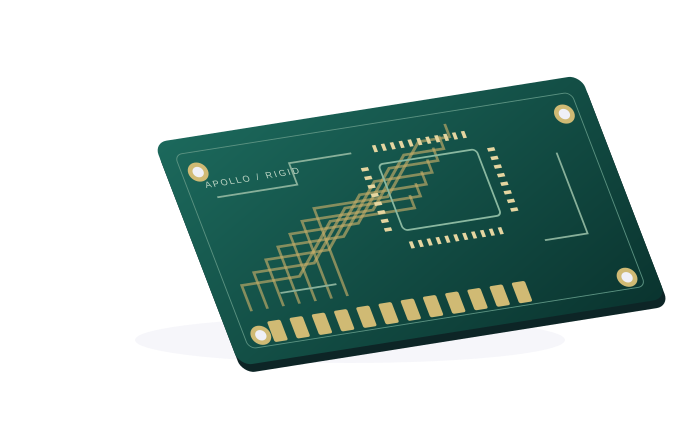
01 / 05STRUCTURE ILLUSTRATION
Reliable Interconnection
FR-4 PCBs
Start with a rigid board, a clear layer stack-up and the requirements of your electronic design.
Explore Products
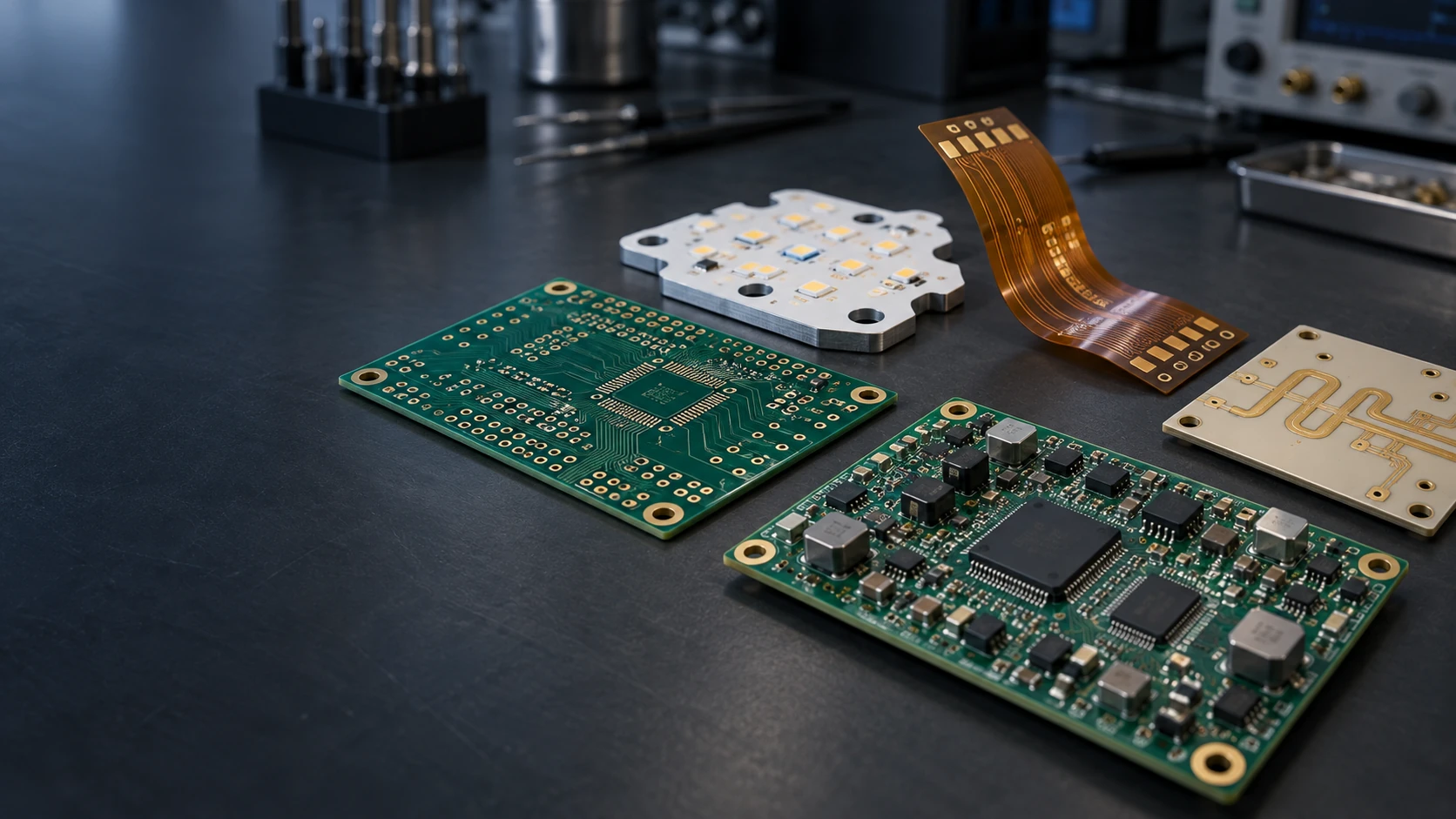
BARE BOARDS. POPULATED ASSEMBLIES. ONE PARTNER.
From material and structure to a finished assembly.
Find your starting point. Build on it with ApolloPCB.
PRODUCT DIRECTIONS
Choose a direction around your material, thermal needs, space, signals or assembly. Explore the family, then review the details.
Reliable Interconnection
Start with a rigid board, a clear layer stack-up and the requirements of your electronic design.
Explore Products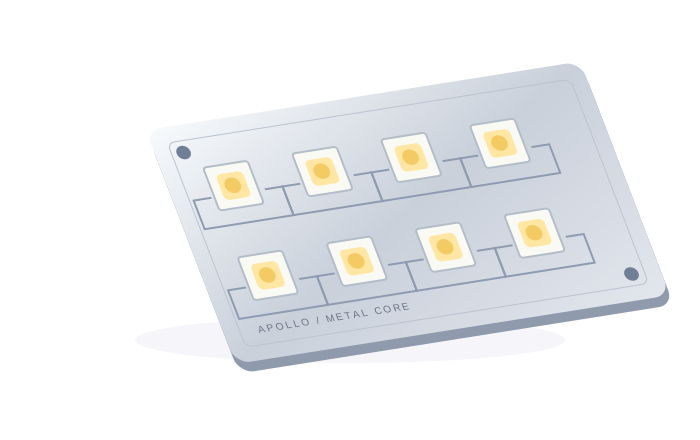
Thermal Management
Bring heat flow, insulation and mounting into the conversation around a metal-backed board.
Explore Products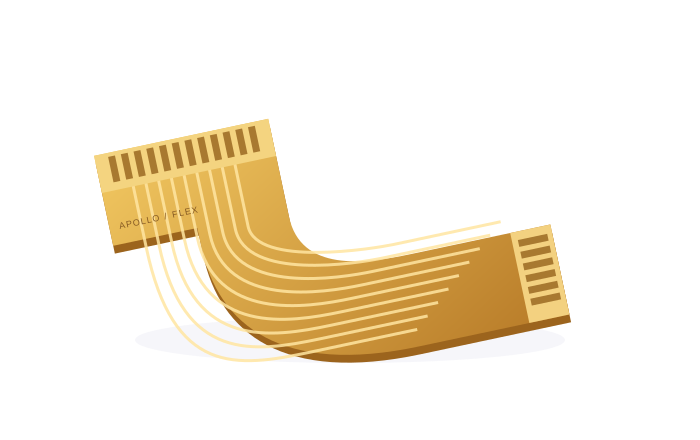
Space & Movement
Explore circuits that fit around compact spaces, bend zones and shaped connections.
Explore Products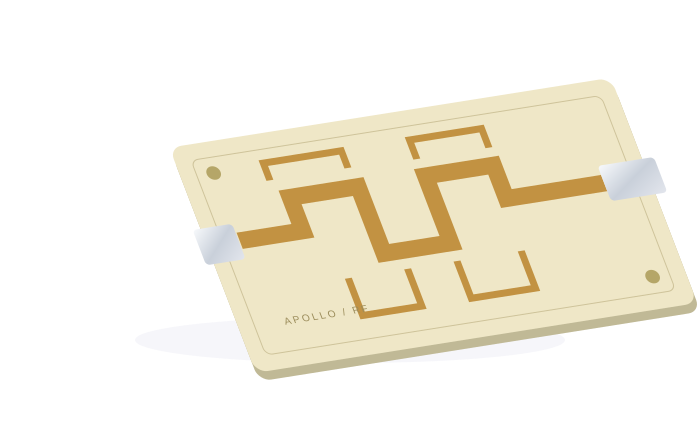
Signal-focused Design
Connect signal requirements with material selection, impedance targets and critical routing.
Explore Products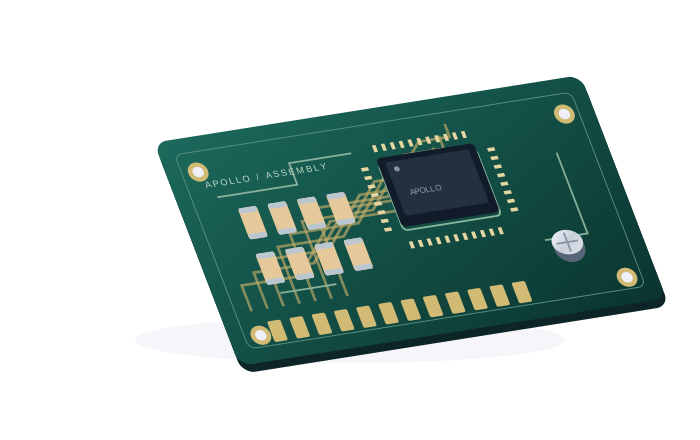
Board to Assembly
Bring your board, BOM, placement data and inspection needs into one manufacturing brief.
Explore ProductsBrowse product types within each family. These examples help frame your project; materials, specifications and manufacturing scope are confirmed through review.
15 product types · 5 families
FAMILY 01 / 05
Rigid board examples, from one routing face to a proposed multilayer stack-up.
 PRODUCT TYPEILLUSTRATION
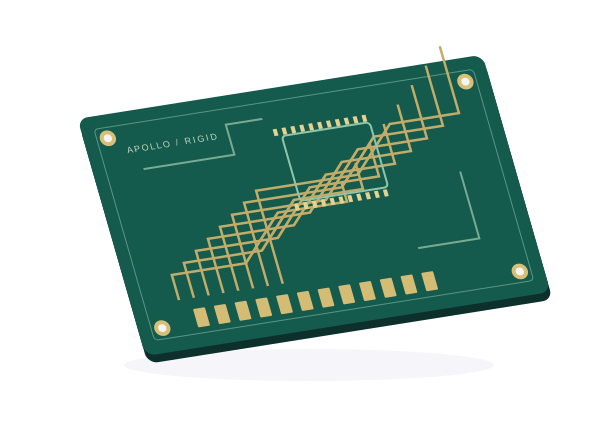
SINGLE-SIDED STRUCTURE
A rigid board example with routing on one side. Share the outline and fabrication files for review.
 PRODUCT TYPEILLUSTRATION
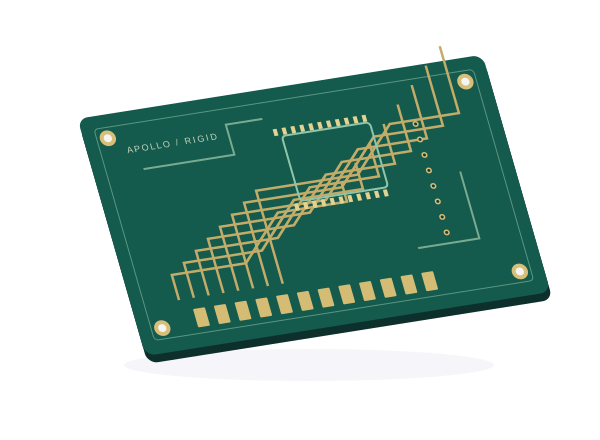
TWO-SIDED ROUTING
A two-sided rigid board example. Review both routing faces, through connections and the fabrication drawing.
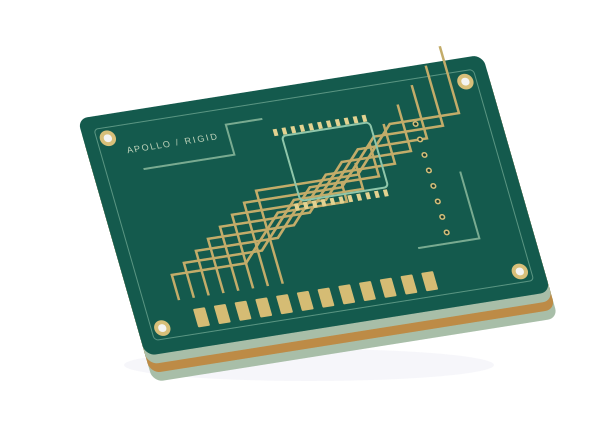 PRODUCT TYPEILLUSTRATION
LAYERED INTERCONNECTION
A multilayer board example for a design with several routing layers. Start the discussion with a proposed stack-up.
FAMILY 02 / 05
Planned product types organized around substrate and thermal structure.
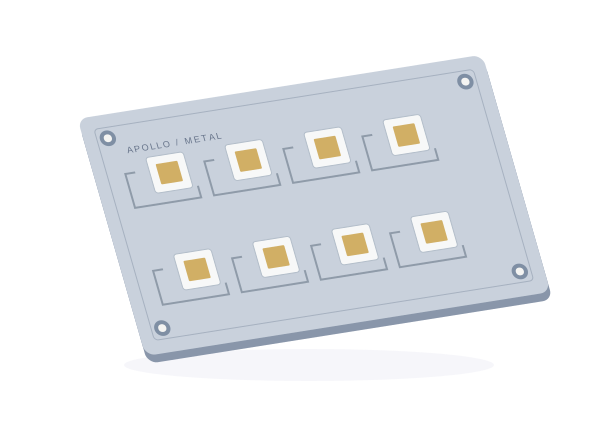 PRODUCT TYPEILLUSTRATION
METAL-BACKED STRUCTURE
An aluminum-backed board type from the product plan. Review the thermal path, insulation and mounting arrangement.
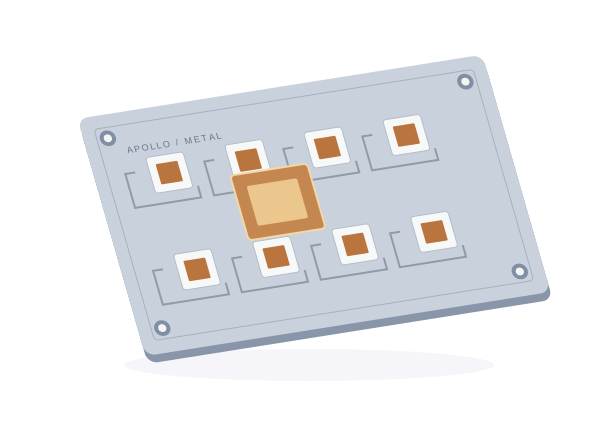 PRODUCT TYPEILLUSTRATION
THERMAL PAD DIRECTION
A thermal-pad board type from the product plan. Bring the component footprint and heat-transfer requirements to review.
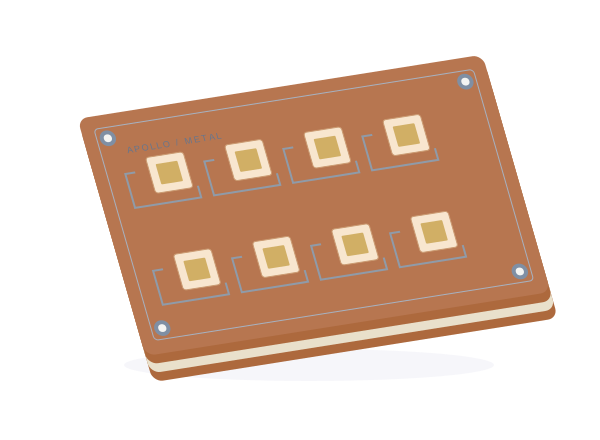 PRODUCT TYPEILLUSTRATION
COPPER-CORE STRUCTURE
A copper-core multilayer type from the product plan. Discuss the layer arrangement and the mechanical and thermal brief together.
FAMILY 03 / 05
Circuit examples organized around routing faces, bend areas and connection support.
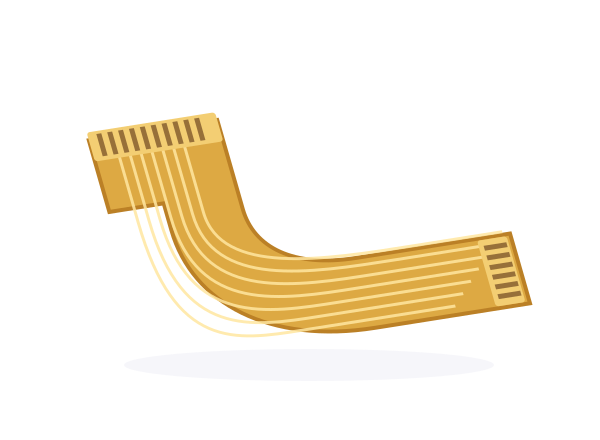 PRODUCT TYPEILLUSTRATION
FLEXIBLE CONNECTION
A single-sided flexible circuit example. Define the outline, connection points and intended bend areas.
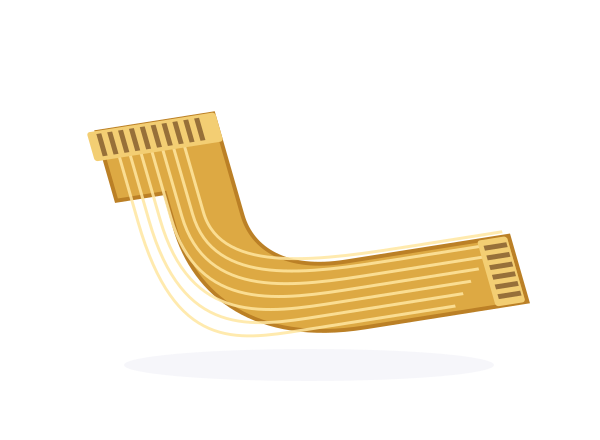 PRODUCT TYPEILLUSTRATION
TWO-SIDED FLEX CIRCUIT
A two-sided flexible circuit example. Review the routing, through connections and the way the circuit fits in the product.
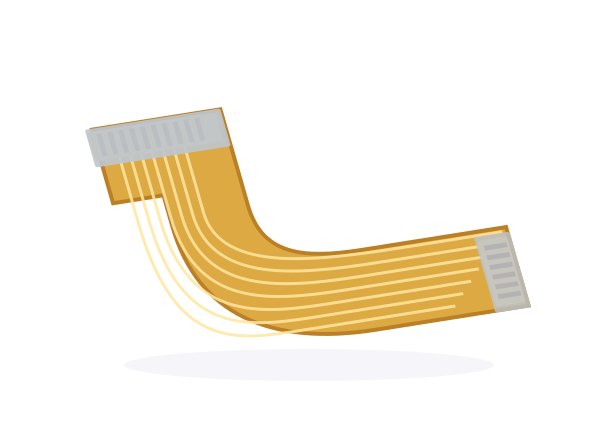 PRODUCT TYPEILLUSTRATION
SUPPORTED CONNECTION ZONES
A flexible circuit example with locally supported connection areas. Share the fit, bend and connector drawings.
FAMILY 04 / 05
Board examples for discussing RF routing, materials and signal requirements.
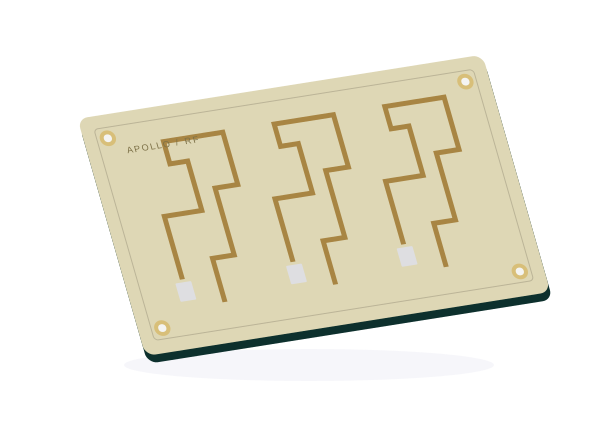 PRODUCT TYPEILLUSTRATION
RF ROUTING EXAMPLE
An RF circuit board example. Use the signal requirements and critical routing to guide the material discussion.
 PRODUCT TYPEILLUSTRATION
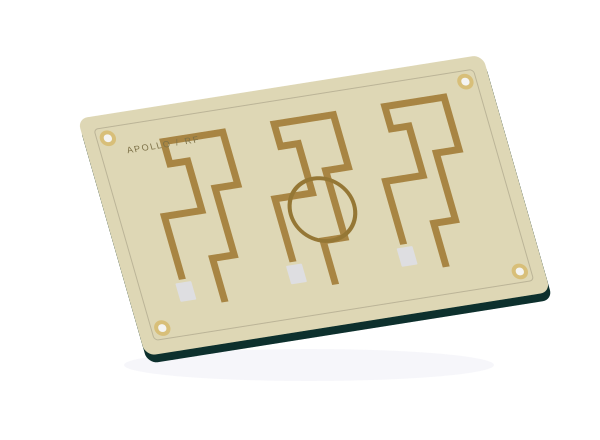
SIGNAL-SENSITIVE STRUCTURE
A microwave circuit board example. Bring material references, line geometry and the intended operating conditions.
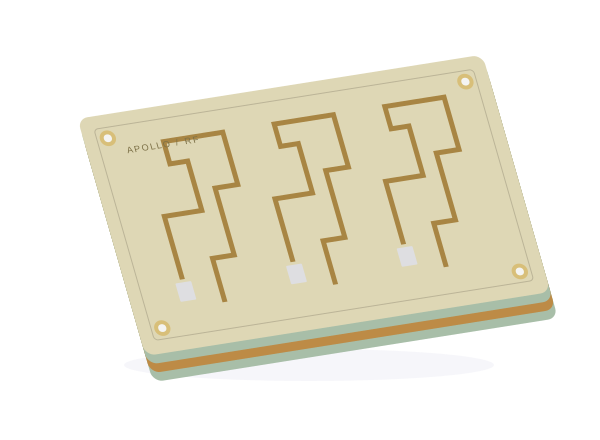 PRODUCT TYPEILLUSTRATION
COMBINED MATERIAL EXAMPLE
A mixed-material board example for an RF design. Review the proposed layer arrangement and material combination together.
FAMILY 05 / 05
Populated board examples organized by lighting, control and power applications.
 PRODUCT TYPEILLUSTRATION
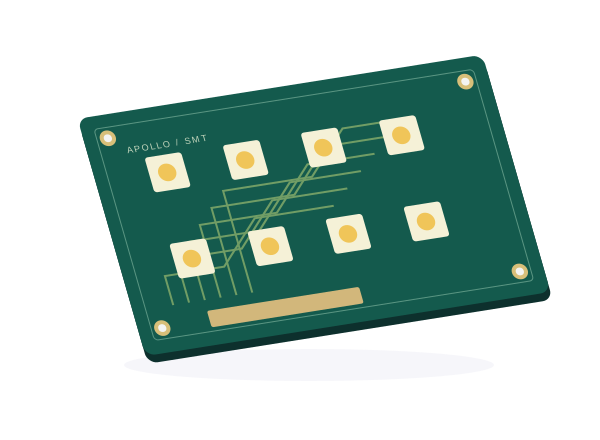
LIGHTING ASSEMBLY EXAMPLE
A populated lighting-board example. Connect the board design with the LED BOM, placement data and inspection brief.
 PRODUCT TYPEILLUSTRATION
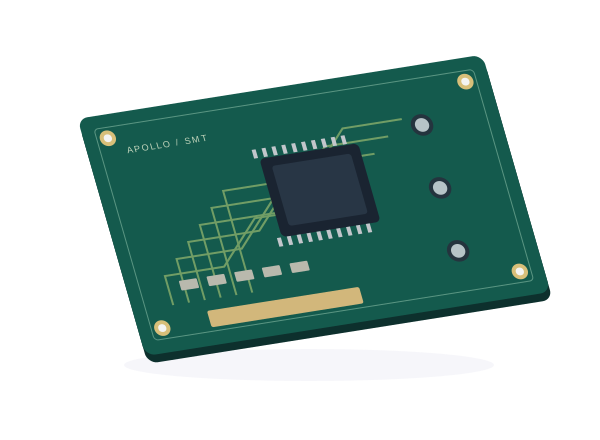
CONTROL CIRCUIT EXAMPLE
A populated control-board example. Prepare the PCB data, component list and functional requirements in one package.
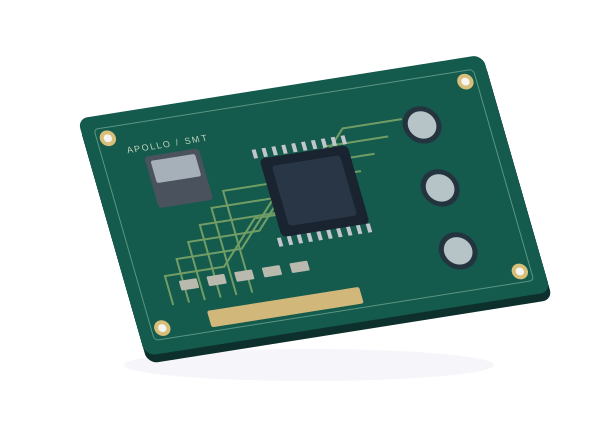 PRODUCT TYPEILLUSTRATION
POWER CIRCUIT EXAMPLE
A populated power-board example. Review the board, component handling and assembly conditions before defining the build.
These are product directions, not fixed specifications. Materials, dimensions, stack-up, process and testing are confirmed for each project.
Request Engineering Input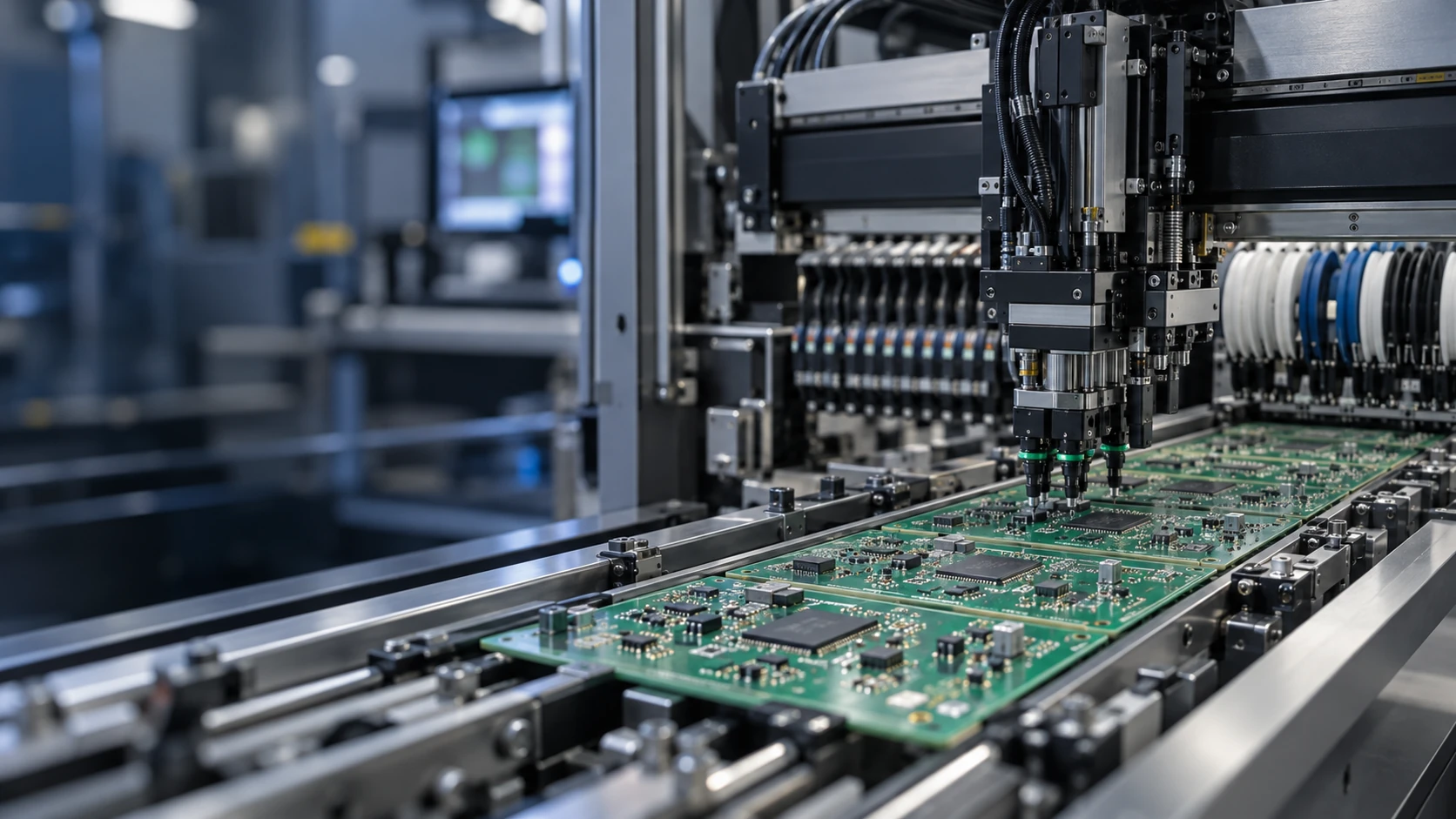
THE PRODUCT IS ONLY THE BEGINNING.
A useful manufacturing conversation connects your design to its materials, assembly conditions and inspection requirements.
How We WorkNo exact match? Start with the current design. Share the requirements that matter, so the product direction can be reviewed in context.
Choose a board family or describe the function, environment and assembly constraints.
MATERIAL · STRUCTURE · APPLICATIONPrepare circuit files, drawings and requirements. Include the BOM and placement data for assembly.
GERBER · DRAWINGS · BOMDiscuss materials, process, inspection, quantity and timing before defining the manufacturing plan.
REQUIREMENTS · QUALITY · TIMING